
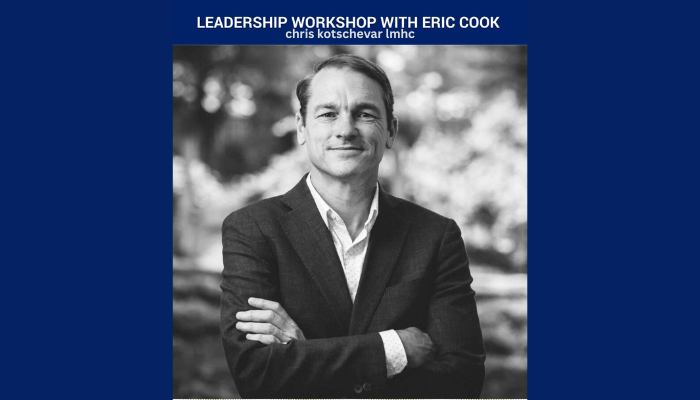

Chris kotschevar lmhc holds the credential of Licensed Mental Health Counselor, which represents years of education, supervised practice, and demonstrated competency in the mental health field. As an LMHC, Chris has undergone rigorous training in therapeutic techniques, psychological assessment, and evidence-based treatment methods. The journey to becoming a licensed mental health counselor involves completing a master’s degree program, accumulating supervised clinical hours, and passing comprehensive licensing examinations to ensure public safety and professional standards.
The LMHC credential itself carries significant weight in the counseling profession. It means that Chris Kotschevar has met state-specific requirements for licensure and maintains ongoing professional development to keep current with evolving therapeutic approaches and research. This commitment to excellence reflects a dedication to providing clients with the highest quality mental health services.
The LMHC Credential: What It Really Means
Many people wonder what distinguishes an LMHC from other mental health professionals. The difference lies in specific training, licensure requirements, and scope of practice. Licensed Mental Health Counselors receive specialized education in counseling theory, human development, career counseling, and therapeutic intervention strategies. Unlike some other mental health roles, LMHCs undergo extensive training in diagnosis and treatment planning for various mental health conditions.
The path to earning an LMHC license typically requires a master’s degree in counseling or a related field, completion of 2,000 to 4,000 supervised clinical hours depending on state regulations, and successful completion of the National Counselor Examination or a state-specific licensing exam. This rigorous process ensures that licensed professionals like Chris Kotschevar possess the knowledge and skills necessary to help clients effectively.
The scope of practice for an LMHC includes providing individual counseling, conducting mental health assessments, developing treatment plans, and facilitating positive behavioral change. Many LMHCs specialize in particular areas such as trauma, addiction, couples counseling, or adolescent mental health. The versatility of the LMHC role makes it invaluable in various settings, from private practice to hospitals, clinics, and community mental health centers.
Areas of Expertise and Specialization
Mental health counselors often develop specialized knowledge in specific areas based on their interests, training, and client populations they serve. Chris Kotschevar, as an LMHC, likely brings expertise in one or more particular domains of mental health treatment and support. Understanding these potential areas of specialization can help you determine whether working with a professional like Chris might align with your mental health needs.
Trauma-informed counseling has become increasingly important, with professionals trained to help individuals who have experienced significant emotional wounds, abuse, or distressing events. Addiction counseling and substance abuse treatment represent another vital specialization where LMHCs support clients in recovery and relapse prevention. Life transitions, grief and loss, stress management, and personal development round out the diverse range of issues that mental health counselors address in their practice.
How Therapy Works with an LMHC
When you decide to work with a licensed mental health counselor like Chris Kotschevar, you’re entering into a collaborative relationship focused on your wellbeing and growth. The therapeutic process typically begins with an initial assessment where the counselor learns about your background, current concerns, and treatment goals. This foundation-building session helps the professional understand your unique situation and determine the most effective therapeutic approach.
Different counselors employ various evidence-based therapeutic modalities. Cognitive-behavioral therapy focuses on the relationship between thoughts, feelings, and behaviors, helping you identify unhelpful patterns and develop healthier alternatives. Person-centered therapy emphasizes unconditional positive regard and creates a safe, accepting space for exploration and growth. Solution-focused brief therapy concentrates on identifying your strengths and building practical solutions to current challenges.
Throughout the therapeutic relationship, your LMHC will work collaboratively with you to establish clear goals, monitor progress, and adjust treatment strategies as needed. The counselor brings professional expertise, while you bring self-knowledge and commitment to your own healing. This partnership creates the conditions necessary for meaningful change and lasting improvement in your mental health and overall quality of life.
The Importance of Finding the Right Fit
Seeking mental health care is a courageous step, and finding a counselor who feels like the right fit significantly impacts your treatment success. While credentials like LMHC ensure professional competence, personal factors also matter. You want to work with someone who listens without judgment, respects your values, and approaches your concerns with genuine care and understanding.
When evaluating whether chris kotschevar lmhc or any mental health counselor is right for you, consider their communication style, their approach to therapy, their experience with your specific concerns, and your comfort level in their presence. Many counselors offer initial consultation calls where you can ask questions and get a sense of their personality and approach before committing to ongoing treatment. Trust your instincts. The therapeutic relationship itself becomes a powerful healing tool, so your comfort and connection matter tremendously.
Insurance compatibility, location, availability, and cost are practical factors worth considering as well. Some clients prefer in-person sessions, while others appreciate the flexibility of telehealth counseling. Your LMHC should be willing to discuss these details and work with you to create an arrangement that supports your engagement and progress.
Evidence-Based Treatment Methods
Modern mental health counseling rests on a foundation of research and evidence-based practices. Licensed mental health counselors stay current with the latest findings about what actually works in therapy. This commitment to evidence ensures that the treatment you receive reflects the best available science and increases your likelihood of meaningful improvement.
Dialectical Behavior Therapy has strong research support for helping individuals manage intense emotions, self-harm urges, and relationship challenges. Acceptance and Commitment Therapy helps people clarify their values and take action aligned with what matters most, even in the presence of difficult emotions. Psychodynamic counseling explores how past experiences shape current patterns, offering insight into recurring relationship dynamics or emotional difficulties.
Creating Lasting Change in Your Life
Working with a mental health counselor provides more than temporary relief from distressing symptoms. Quality counseling facilitates lasting change by helping you develop new skills, gain deeper self-understanding, and create different patterns in thinking and behaving. The insights and tools you develop in therapy continue benefiting you long after your sessions conclude.
Your LMHC helps you identify patterns that no longer serve you and experiment with new ways of responding to challenges. You learn to recognize your emotional triggers, understand what they mean, and choose how to respond rather than react automatically. Over time, these new patterns become integrated into your normal functioning, and your baseline emotional wellbeing improves. The personal growth that emerges often extends beyond your initial presenting concern, positively affecting your relationships, work performance, and overall life satisfaction.
Taking Your Next Steps in Mental Health Care
If you’ve been considering seeking counseling, recognizing the value of working with a licensed professional like Chris Kotschevar represents an important step toward prioritizing your mental health. Whether you’re struggling with specific symptoms or seeking personal growth and self-understanding, professional mental health support can make a meaningful difference.
Starting therapy requires courage, but it also represents hope and commitment to yourself. When you’re ready to begin, you can contact counselors in your area, check their credentials, review their experience, and determine whether their approach aligns with your needs. The investment you make in your mental health pays dividends across every area of your life.