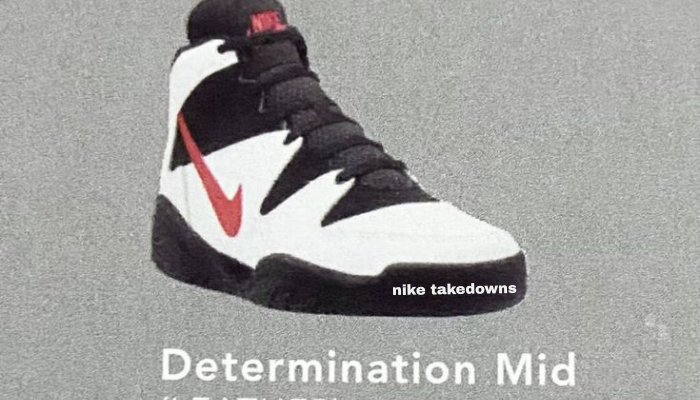

When nike takedowns a new premium basketball shoe model, the previous generation doesn’t disappear from shelves. Instead, it gets rebranded and repriced as a “takedown” model. Think of it as a strategic marketing move where Nike keeps popular silhouettes in circulation at lower price points while launching their latest innovations at premium prices.
For instance, a premium Nike basketball shoe might feature Zoom Air technology in multiple areas, premium leather uppers, and advanced cushioning systems. The takedown version keeps some of these features but might use synthetic materials instead of leather, reduce the number of Zoom Air units, or simplify the overall design. Despite these adjustments, takedowns remain genuinely functional performance basketball shoes.
The History Behind Nike’s Takedown Strategy
Nike’s takedown approach isn’t random. The company has spent decades perfecting how to serve athletes across different budget ranges and competitive levels. Back in the 1990s and early 2000s, Nike basketball shoes were luxury items for many players. The brand recognized that aspiring athletes wanted access to Nike’s technology and prestige without spending $200 on a single pair of shoes.
This realization led to the systematic creation of takedown models. Rather than viewing budget-conscious athletes as less important customers, Nike saw an opportunity to build loyalty from younger players who would eventually become premium customers as their careers advanced.
The takedown strategy also serves another purpose: inventory management. When a new basketball shoe launches, demand is high and prices remain elevated. As time passes and hype fades, Nike needs to clear inventory. Rebranding and repricing as takedowns keeps the shoes moving and maintains brand presence across price points.
Key Differences Between Takedowns and Premium Models
Understanding the specific differences helps you make informed decisions. The most notable change is material composition. Premium Nike basketball shoes often feature Flyknit, premium leather, or advanced mesh materials. Takedown versions typically use simpler synthetic uppers that still breathe well and provide adequate support but lack the premium feel.
The midsole construction also differs. Premium models often feature multiple density foam layers that provide targeted support and response. Takedown versions use simpler, more cost-effective midsole designs. Again, they work well for basketball, but premium shoes offer enhanced performance characteristics.
Aesthetically, takedowns might lack premium finishing touches like special colorway treatments, premium insoles, or special packaging. These cosmetic differences don’t affect how the shoe performs on the court, but they do matter if you value the total ownership experience.
Which Takedowns Are Worth Your Money
The Nike Kyrie Flytrap series consistently delivers strong takedown options. These shoes maintain excellent ankle support and court feel even in simplified versions. If you value quick movements, lateral support, and responsive cushioning without spending $150 to $180 on premium Kyrie models, the Flytrap represents genuine value.
The Nike Team Hustle series targets younger players but offers surprisingly solid performance for shooting guards and smaller guards who appreciate lighter, more responsive shoes. These takedowns excel at providing court feel and directional control.
However, some takedown models feel too compromised. When cushioning is reduced so severely that court feel disappears entirely, or when support systems are stripped so much that the shoe feels unstable, you’re better served by options designed from the ground up as budget shoes rather than simplified premium models.
The Real Performance Impact
Here’s something athletes rarely discuss honestly: does the difference between a takedown and premium model actually matter during games?
For elite players in NCAA programs or professional leagues, the answer is yes. Subtle differences in responsiveness, exact cushioning feel, and precise ankle support matter when you’re competing at the highest levels. A player like Jayson Tatum trains in premium models because even marginal improvements in foot feel and proprioception accumulate over time.
Most athletes find that they adapt quickly to whatever quality shoe they’re wearing. After several games, muscle memory and habit eliminate the adjustment period. Both takedown and premium shoes keep you on the court safely and effectively.
Finding Authentic Takedowns vs. Counterfeits
The affordable price of takedowns creates an attractive target for counterfeiters. Protecting yourself matters both for performance and for supporting legitimate athletes.
Authentic takedowns should come from authorized Nike retailers, official Nike stores, or established online retailers. If you’re buying from unfamiliar websites offering unbelievably low prices, proceed with caution. Counterfeits often exhibit telltale signs: inconsistent stitching, misaligned logos, poor print quality on insoles, and materials that feel distinctly cheap.
Authorized retailers include major sporting goods chains, official Nike stores, established online platforms, and team equipment suppliers. These channels guarantee authenticity and often provide return policies that protect you if something isn’t right.
How Takedowns Compare to Other Budget Options
Nike doesn’t monopolize affordable basketball shoes. Understanding how takedowns stack up against other budget-friendly options helps you make the best choice for your needs.
New Balance basketball shoes have historically occupied the budget space, though their basketball division has shrunk. When available, New Balance options often feature innovative cushioning at low prices, though finding selection can be challenging.
For the athlete on a budget, Nike takedowns typically represent the sweet spot. You get the Nike brand reputation for basketball shoes, genuine performance features, durability that lasts through seasons, and prices that don’t require choosing between footwear and other expenses.
Making Your Takedown Decision
Selecting the right takedown shoe depends on your playing style, position, and specific needs. Guards seeking responsiveness and quickness benefit from lighter takedown models. Big men need shoes with exceptional ankle support and cushioning for impact protection.
Consider your current shoe situation too. If you’re upgrading from non-basketball shoes to your first dedicated hoops shoe, almost any takedown feels revolutionary. If you’re replacing worn-out premium shoes, you might notice the difference more acutely.
Read Also: Nike Takedowns: What Athletes Really Need to Know